
Zanzibar Sea Turtle Sanctuaries – Must-Visit Spots
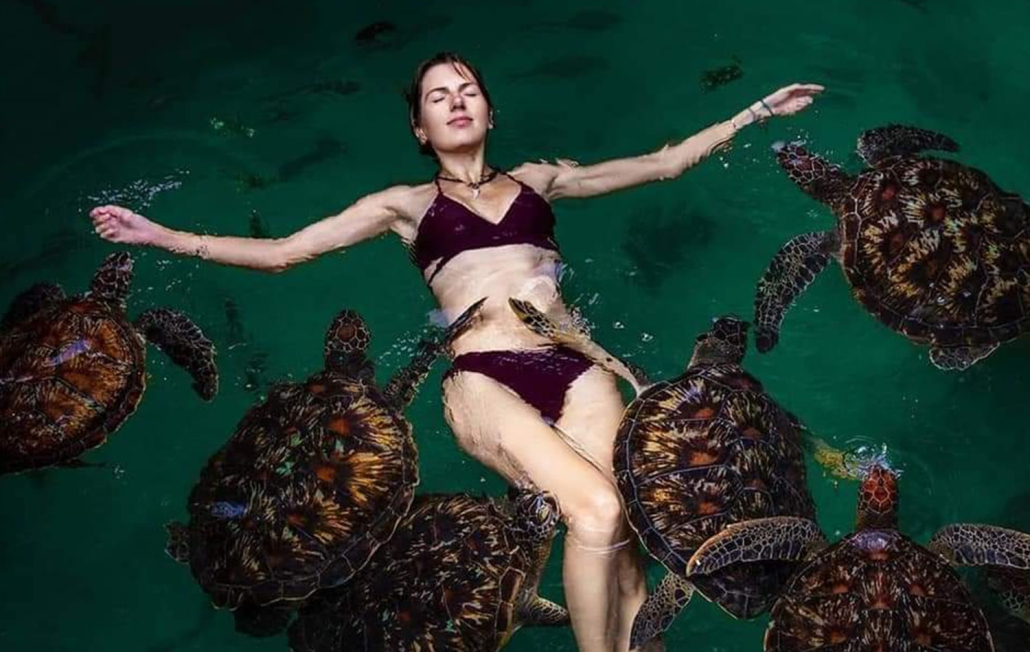
Zanzibar, a jewel of the Indian Ocean, is not only known for its white sandy beaches and rich culture but also for its remarkable marine conservation efforts. Among the island’s many ecological treasures, the sea turtle sanctuaries stand out as some of the most inspiring places to visit. These sanctuaries play a crucial role in protecting endangered sea turtles and educating both locals and tourists about marine conservation. Whether you are a nature lover, adventure seeker, or someone passionate about sustainable travel, visiting these sanctuaries is a truly rewarding experience.
In this guide, we’ll explore the best sea turtle sanctuaries in Zanzibar that you should not miss, what makes them unique, and why your visit can help make a lasting difference.
Mnarani Marine Turtle Conservation Pond – Nungwi
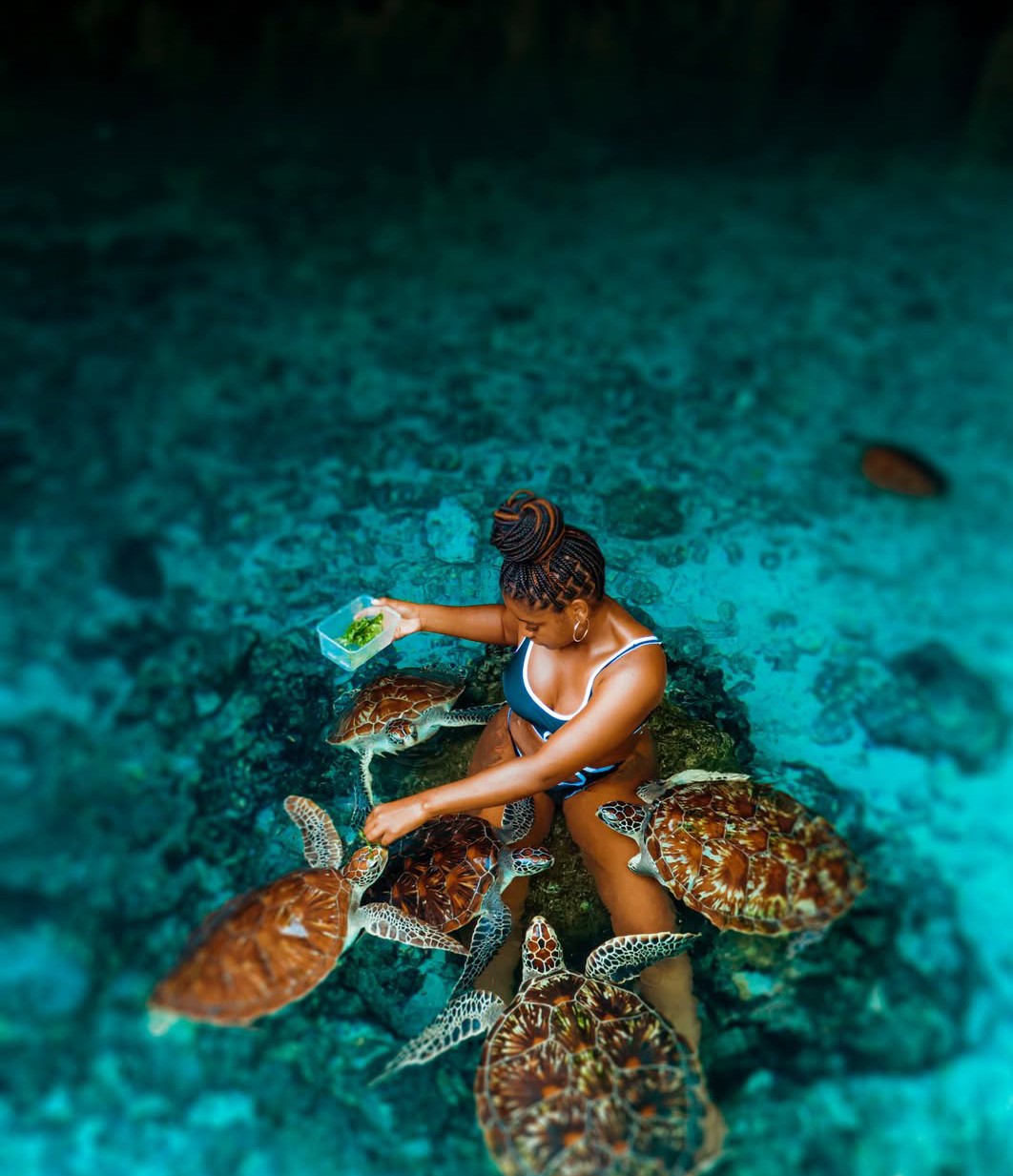
Located at the northern tip of Zanzibar in Nungwi village, Mnarani Marine Turtle Conservation Pond is one of the island’s most famous sea turtle sanctuaries. Established in 1993, this community-based project was created to protect and conserve endangered green and hawksbill turtles.
The sanctuary is centered around a natural lagoon, where rescued turtles are kept and cared for before being released back into the ocean. Many turtles are brought here after being accidentally caught in fishing nets, while others are hatchlings rescued from unsafe nesting areas.
Visitors can feed the turtles, learn about their life cycle, and understand the threats they face, such as habitat loss and plastic pollution. The project also works closely with local fishermen and schools, spreading awareness about marine conservation.
A highlight of visiting Mnarani is the annual Turtle Release Festival, where rehabilitated turtles are released into the sea. This emotional and educational experience connects people to the beauty and fragility of marine life.
Nungwi Natural Aquarium (Baraka Aquarium)
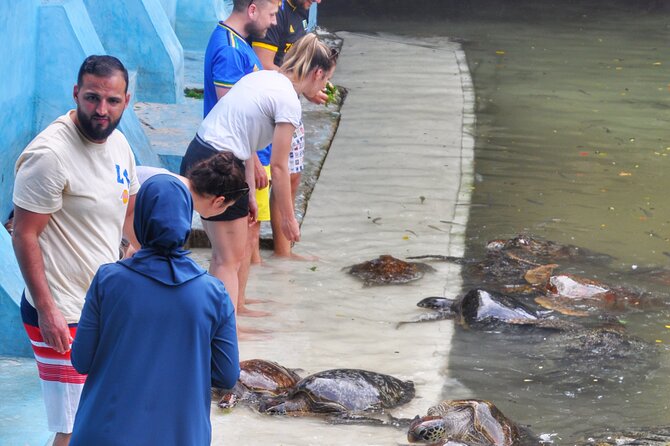
Just a short distance from the Mnarani project lies the Nungwi Natural Aquarium, also known as Baraka Aquarium. This sanctuary provides visitors with a chance to interact with turtles in a beautiful natural setting.
The aquarium uses a large, natural lagoon filled with seawater, allowing turtles to swim freely in an environment similar to the open ocean. It’s one of the best spots to swim with sea turtles in Zanzibar, making it both fun and educational. The caretakers provide insights into how they rescue and care for turtles before releasing them back into the wild.
Besides being a wonderful eco-tourism experience, every ticket contributes directly to conservation activities. By visiting, you help fund turtle rescue missions, nesting protection, and local education programs. It’s a perfect example of how tourism and sustainability can go hand in hand.

Sea Turtle Hatcheries in Michamvi and Paje
Moving to the eastern coast of Zanzibar, areas such as Michamvi and Paje are home to small, community-run hatcheries that play a vital role in protecting turtle eggs. Female turtles often come to these beaches to lay eggs, but due to human activity and predators, nests are often at risk.
Local conservation groups monitor these beaches day and night, relocating eggs to protected hatcheries where they can safely hatch. Once the baby turtles emerge, they are carefully guided to the sea, increasing their chances of survival.
These hatcheries welcome visitors to witness the hatching and release events, which usually occur between March and August. It’s a breathtaking sight — seeing hundreds of tiny turtles making their first journey to the ocean under the glow of the setting sun. Such experiences are both magical and educational, reminding us of the importance of protecting marine life for future generations.
The Zanzibar Turtle Rescue and Rehabilitation Centre
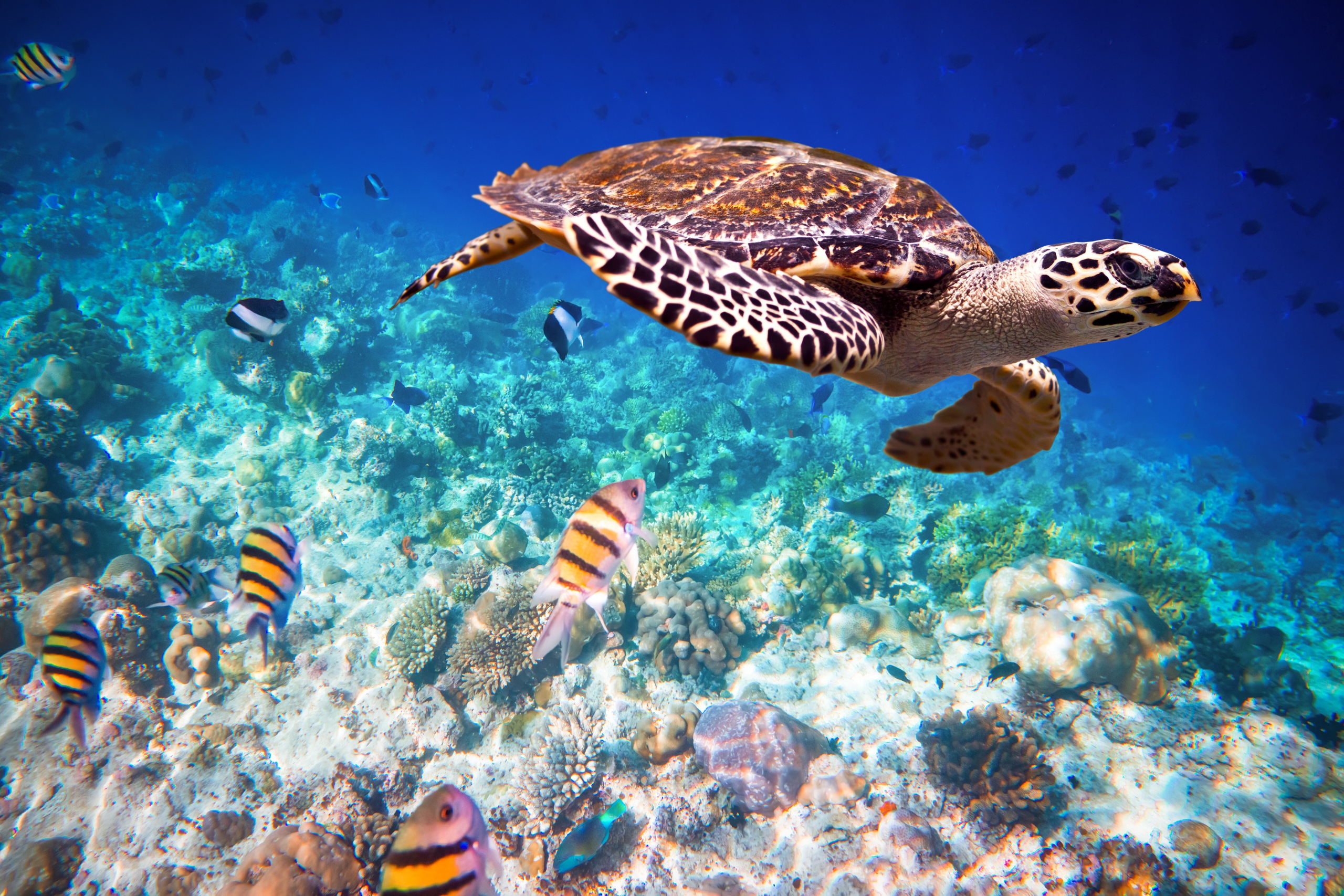
Another must-visit sanctuary is the Zanzibar Turtle Rescue and Rehabilitation Centre, located near Kendwa. This facility focuses on rescuing injured or sick turtles, many of which are victims of fishing nets, pollution, or boat propellers.
Here, marine biologists and volunteers provide medical treatment, rehabilitation, and eventually reintroduce the turtles to their natural habitats once they are strong enough. Visitors can take guided tours to see the recovery process, understand the challenges these creatures face, and learn about the steps taken to protect their ecosystem.
The center also collaborates with schools and research institutions to promote conservation awareness and encourage young Zanzibaris to become future ocean protectors. Visiting this center is not only inspiring but also a direct way to support meaningful conservation work.
Kizimkazi Sea Turtle and Dolphin Eco-Tours
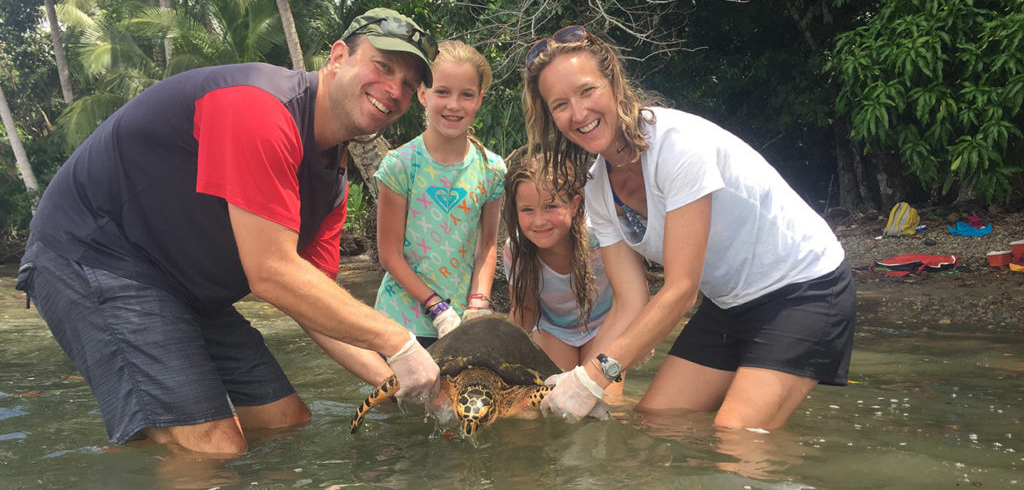
Kizimkazi, a small fishing village on the southern tip of Zanzibar, is famous for its dolphin tours. However, it’s also emerging as a key spot for sea turtle protection initiatives. The local community, supported by NGOs, has set up monitoring programs to protect nesting sites along the beach.
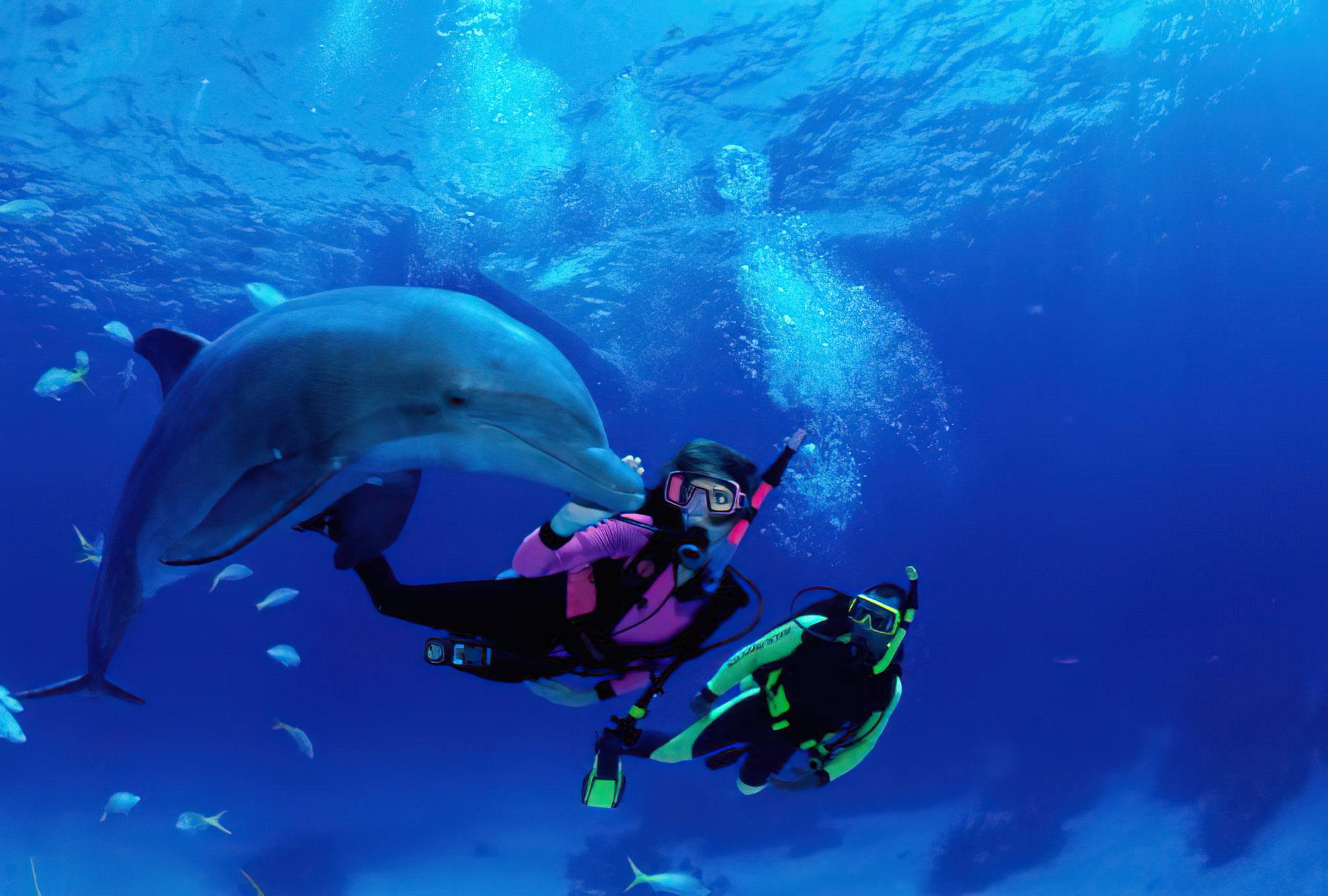
While here, you can join eco-friendly snorkeling excursions that avoid disturbing the turtles and dolphins, ensuring ethical wildlife encounters. Many of these tours educate visitors about how responsible tourism supports marine life conservation.
Kizimkazi is also home to coral reef restoration projects, creating a haven for turtles and other marine creatures. Combining a visit here with a dolphin tour and snorkeling adventure gives travelers a well-rounded, sustainable marine experience.
Why Visit Zanzibar’s Turtle Sanctuaries?
Visiting Zanzibar’s turtle sanctuaries offers more than just sightseeing — it’s an opportunity to be part of something bigger. Each visit helps fund ongoing conservation projects, provides employment to local communities, and raises global awareness about the importance of protecting sea turtles.
Moreover, interacting with these gentle creatures leaves a lasting impression on every traveler. You gain firsthand knowledge about marine biodiversity and realize how small actions — like avoiding plastic, choosing eco-friendly tours, and spreading awareness — can have a huge positive impact.
Best Time to Visit Turtle Sanctuaries in Zanzibar
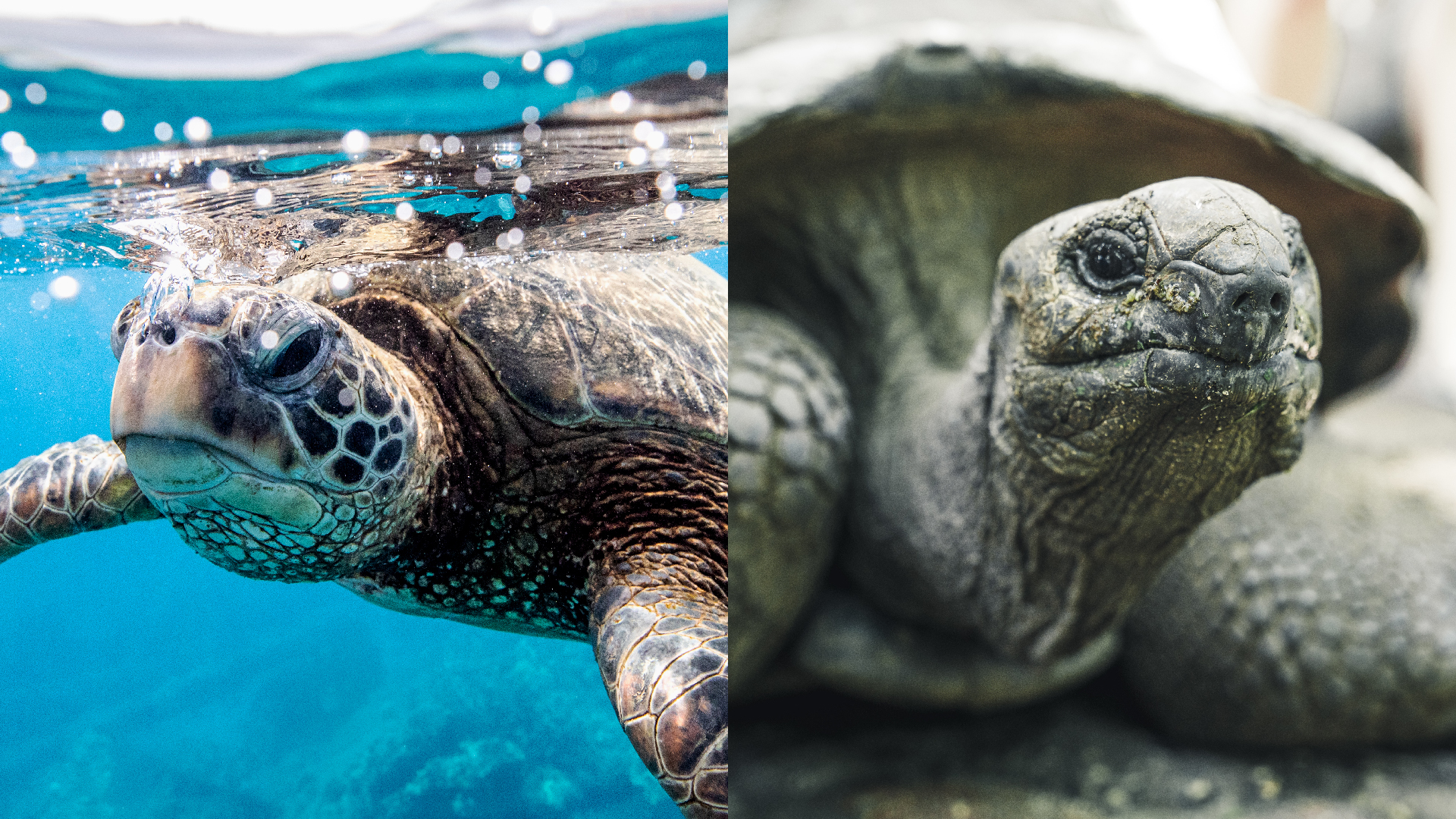
The best time to visit turtle sanctuaries is between June and October and December to February when the weather is sunny, and sea conditions are calm. If you want to witness the hatching season, plan your trip between March and August, when baby turtles make their way to the ocean.
These months provide the perfect balance for relaxation, snorkeling, and witnessing conservation efforts in action.
Responsible Tourism Tips
To ensure your visit supports conservation rather than harming it, follow these simple guidelines:
-
Avoid touching turtles unnecessarily – even gentle contact can cause stress.
-
Do not litter or use single-use plastics near beaches or sanctuaries.
-
Choose ethical tours that respect wildlife and prioritize conservation.
-
Support local communities by buying souvenirs or donating directly to projects.
-
Learn and share – the more people know about turtle conservation, the greater the impact.
By following these principles, you contribute to the preservation of Zanzibar’s marine ecosystem while enjoying a fulfilling travel experience.
Conclusion
Zanzibar’s sea turtle sanctuaries are not just tourist attractions; they are powerful symbols of hope and resilience. From Nungwi’s rehabilitation ponds to Michamvi’s hatcheries, each sanctuary tells a story of dedication, community effort, and the deep connection between humans and the ocean.
When you visit, you are not just exploring a destination — you’re supporting a movement that protects marine life and empowers local communities. Whether you’re feeding turtles in Nungwi, witnessing hatchlings in Paje, or snorkeling alongside them in Kizimkazi, every experience leaves you more connected to the beauty and fragility of nature.
So, on your next Zanzibar getaway, make sure to include a visit to at least one of these turtle sanctuaries. You’ll leave with unforgettable memories — and the satisfaction of knowing your journey helped make the world a little better for these ancient and graceful sea creatures.
Website: uniquezanzibartours.com


Leave a Reply
Want to join the discussion?Feel free to contribute!