
Complete Guide to Jozani Forest and Zanzibar Red Colobus Monkeys
Jozani Forest Zanzibar is one of the island’s greatest natural treasures — a green paradise where ancient trees whisper stories of time and the rare red colobus monkeys leap gracefully from branch to branch. Located in the heart of Zanzibar Island, this enchanting forest is part of the Jozani Chwaka Bay National Park, the only national park in Zanzibar.
It offers an unforgettable experience for nature lovers, photographers, and travelers who wish to connect with the island’s rich ecosystem. Whether you’re walking under the dense canopy, listening to tropical birds, or spotting the world-famous Zanzibar red colobus monkeys, Jozani Forest promises pure magic at every step.
In this complete guide, we’ll take you through everything you need to know before visiting — from the history of the forest and its biodiversity to practical tips, entry fees, and the best times to explore.
The History and Importance of Jozani Forest
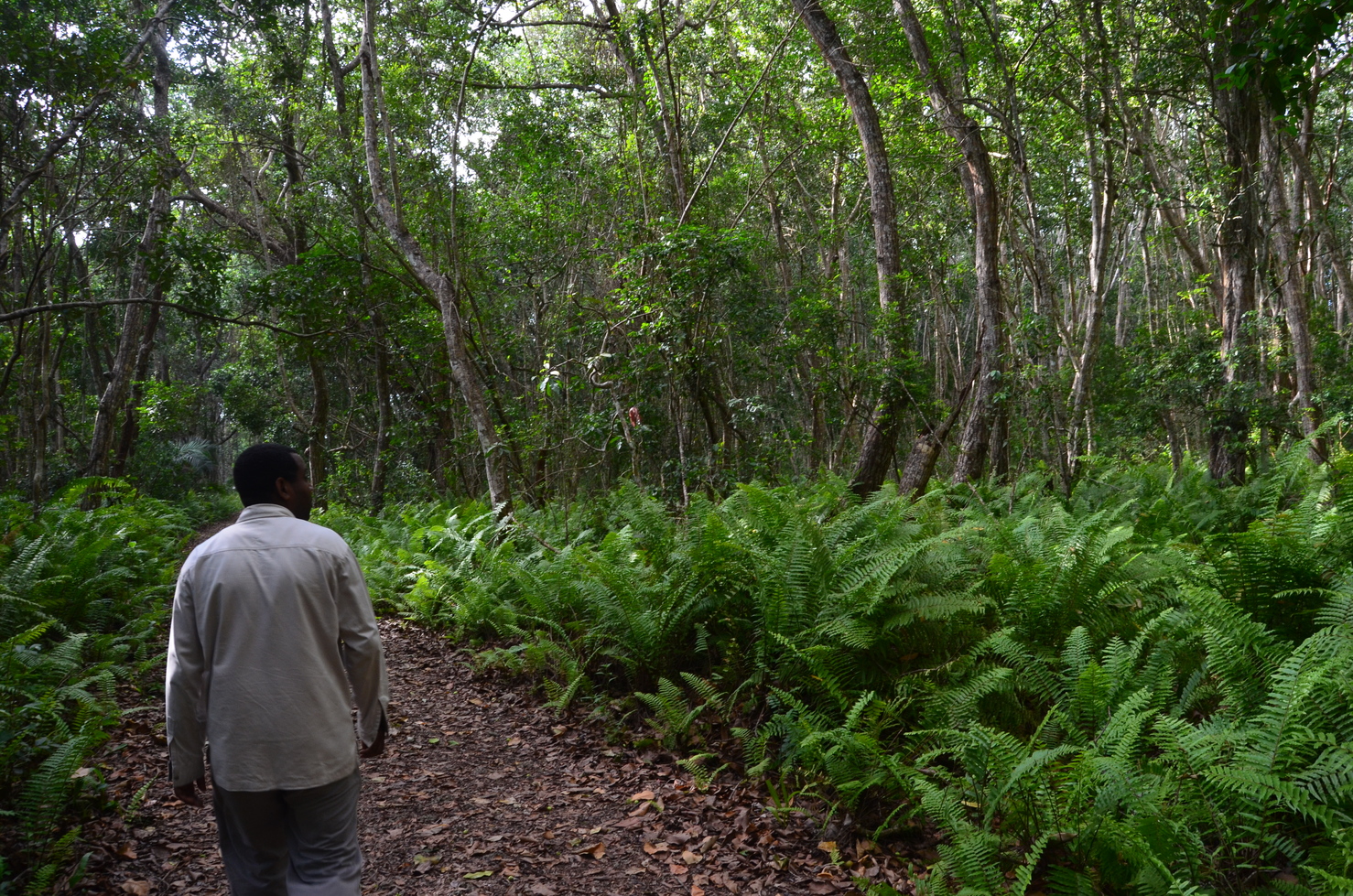
Jozani Forest Zanzibar is a sanctuary of life and history. Covering about 50 square kilometers, it is the last remaining large area of indigenous forest on Unguja Island. The forest has been preserved for decades, and today it forms part of the Jozani Chwaka Bay Conservation Area, which was declared a national park in 2004.
This protected area not only shelters the endangered Zanzibar red colobus monkeys (Piliocolobus kirkii) but also acts as a vital ecosystem for mangroves, butterflies, and hundreds of bird species. Local communities around Jozani have been deeply involved in its conservation efforts, supported by ecotourism projects that ensure both environmental and social sustainability.
Moreover, the park plays a crucial role in Zanzibar’s climate balance, filtering air and providing natural water sources that benefit nearby villages. In other words, Jozani Forest is not only a tourist attraction — it’s the island’s living lungs.
Meet the Stars: Zanzibar Red Colobus Monkeys
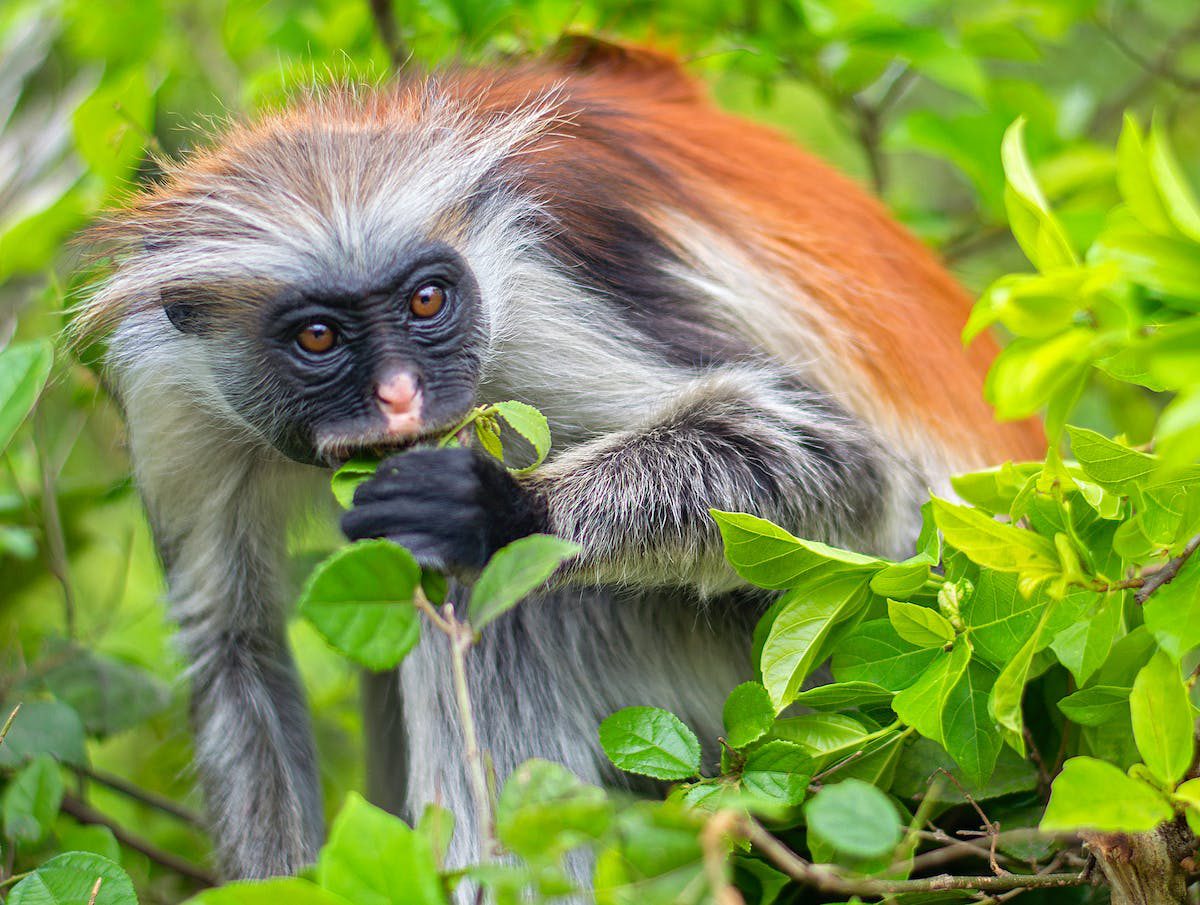
No trip to Jozani Forest Zanzibar is complete without meeting its most famous residents — the Zanzibar red colobus monkeys. These primates are found only in Zanzibar and nowhere else in the world, making them one of the island’s most treasured species.
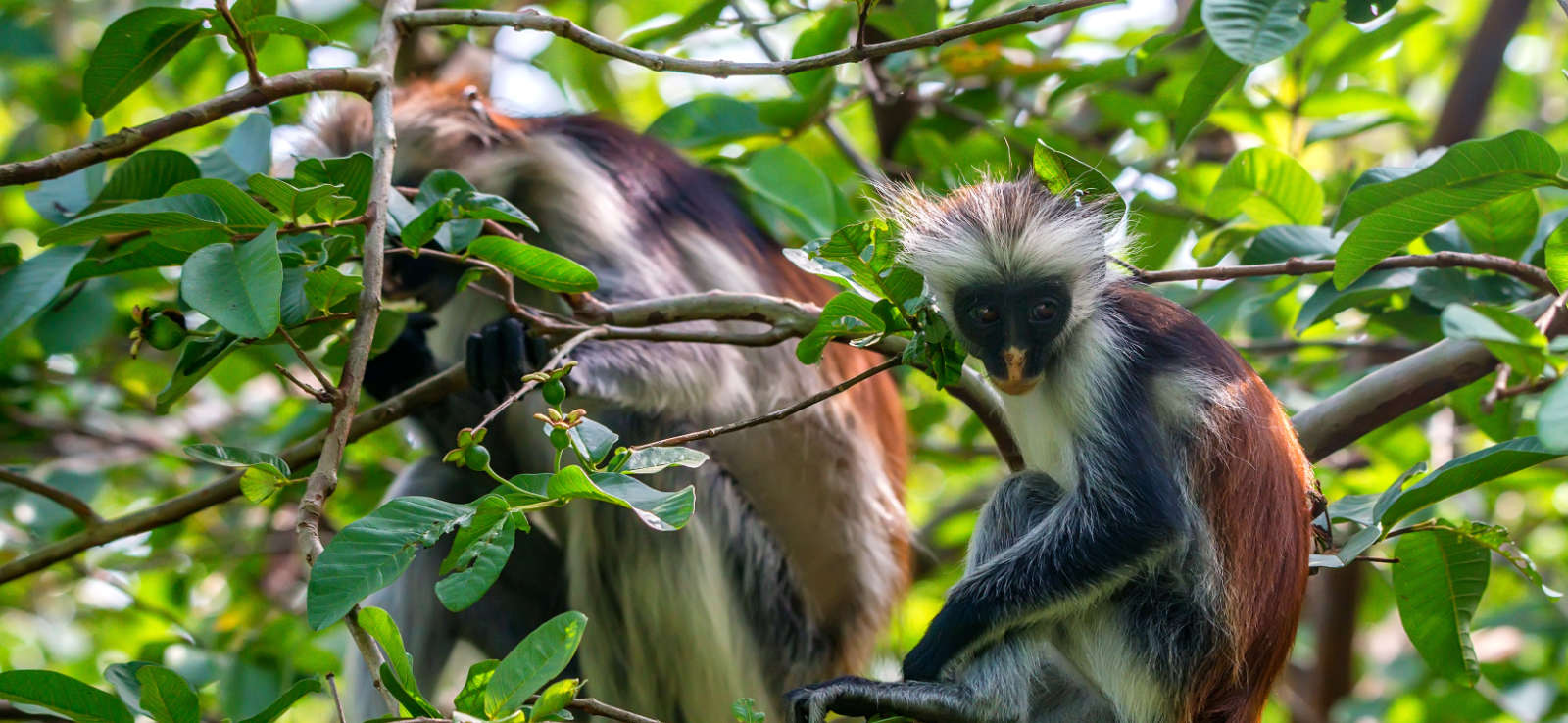
Recognized by their reddish-brown backs, black faces, and long tails, red colobus monkeys are friendly and curious creatures. They usually live in social groups of 30 to 50 individuals, moving playfully through the treetops in search of young leaves, fruits, and flowers.
Interestingly, these monkeys don’t have thumbs! Instead, they use their four long fingers to grasp branches efficiently — a unique adaptation that helps them move swiftly through the forest canopy.
However, the red colobus species was once critically endangered due to deforestation and habitat loss. Thanks to strong conservation initiatives and responsible tourism, their population has stabilized over the years. Still, visitors are reminded to observe from a respectful distance and never feed the monkeys, as human food can harm them.
Biodiversity and Other Wildlife in Jozani Forest
While the red colobus monkeys steal the spotlight, Jozani Forest is also home to a vast range of wildlife. The dense woodland shelters:
-
Syke’s monkeys (blue monkeys) – playful, shy, and sometimes seen mingling with red colobus groups.
-
Bush babies (galagos) – nocturnal creatures with large eyes that come out after sunset.
-
A variety of butterflies – from colorful swallowtails to rare endemic species.
-
Over 40 bird species – including the Fischer’s turaco, crowned hornbill, and Zanzibar sombre greenbul.
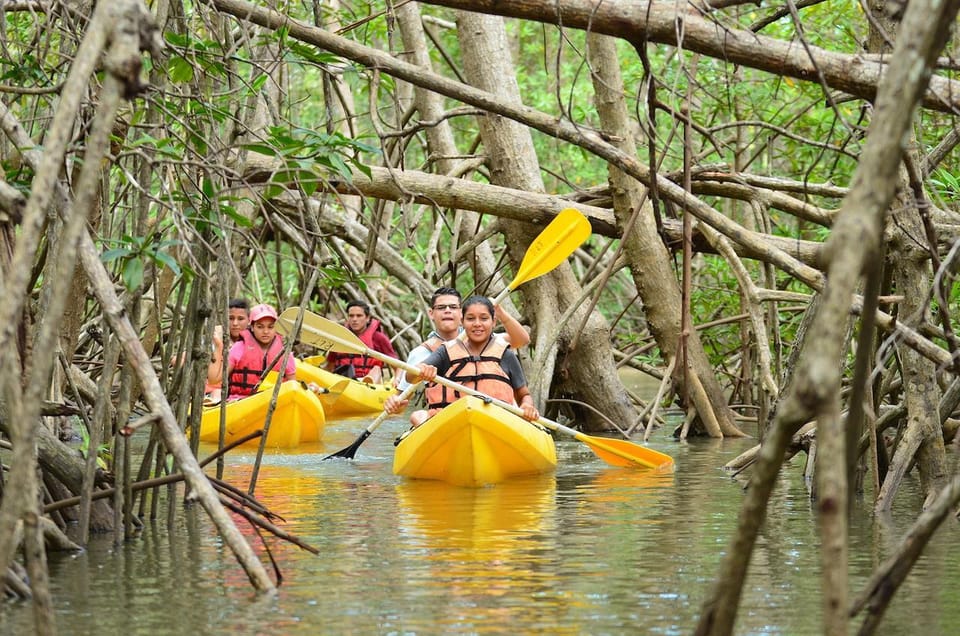
Additionally, Jozani’s southern area opens into Chwaka Bay, a network of mangrove forests that act as breeding grounds for fish and crabs. The mangroves also protect Zanzibar’s coastline from erosion — another reminder of how essential this ecosystem is.
Walking Trails and What to Expect
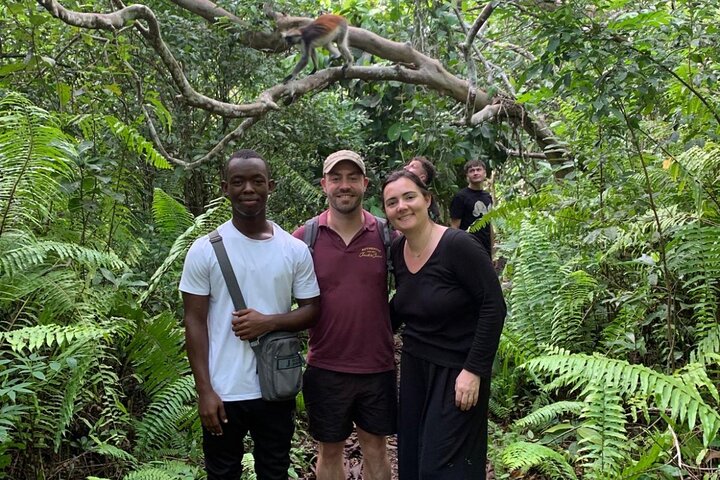
The best way to explore Jozani Forest Zanzibar is on foot, guided by a trained local ranger. Most tours last between 45 minutes to 2 hours, depending on your pace and curiosity.
There are two main walking trails:
The Forest Trail
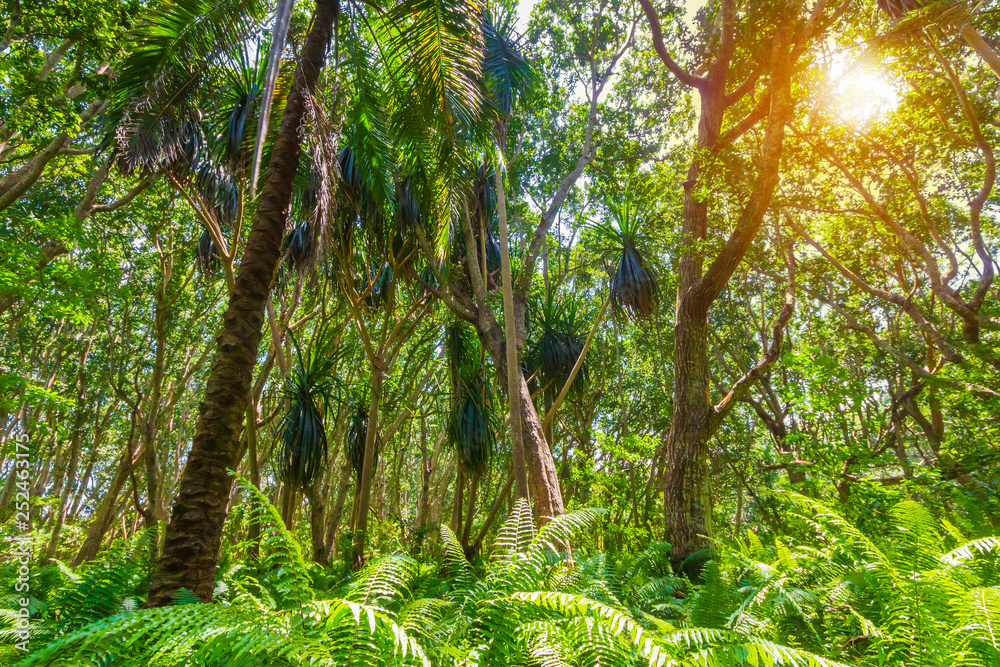
This path takes you deep into the heart of the tropical forest. Towering mahogany and eucalyptus trees line your path, and you’ll hear the calls of monkeys echoing in the distance. The guide will explain the traditional uses of plants — from natural medicine to crafting materials used by the local villagers.
The Mangrove Boardwalk
After exploring the forest, the path leads you to a wooden boardwalk stretching over the mangroves. Here, you’ll experience the fascinating world of tidal ecosystems, where saltwater and freshwater meet. Crabs scuttle below your feet, and the air smells fresh and earthy.
Both trails are relatively easy and suitable for all ages, making Jozani Forest a great activity for families, couples, and solo travelers alike.
Best Time to Visit Jozani Forest Zanzibar
The best time to visit Jozani Forest is during Zanzibar’s dry seasons: June to October and December to February. During these months, the trails are dry, wildlife is active, and the forest canopy offers pleasant shade for walking.
However, visiting during the short rains (November) or long rains (March to May) can also be a unique experience. The forest becomes greener and more alive, and you’ll encounter fewer crowds. Just remember to bring waterproof shoes and a light rain jacket.
Consequently, every season offers its own charm — whether it’s lush greenery after the rain or bright sun filtering through the leaves in dry months.
Entry Fees and Opening Hours
As of the latest updates, the entry fee for Jozani Forest is approximately:
-
$30 per adult (foreign visitors)
-
$15 per child
The park is open daily from 7:30 AM to 5:00 PM.
All entry fees contribute directly to local conservation and community development, meaning that your visit helps protect the forest and support nearby villagers.
Tips for an Unforgettable Visit
Here are a few useful tips to make the most of your trip to Jozani Forest Zanzibar:
-
Hire a local guide: They’ll help you spot wildlife and share fascinating stories about the forest’s plants and animals.
-
Bring a camera: The red colobus monkeys are photogenic, but use zoom instead of getting too close.
-
Wear comfortable shoes: The trails can be muddy, especially after rain.
-
Avoid feeding wildlife: It disrupts their diet and natural behavior.
-
Stay quiet and respectful: You’ll see more animals if you blend into the forest atmosphere.
Getting There
Jozani Forest is located about 35 kilometers southeast of Stone Town, along the road to Paje and Jambiani. The drive takes around 45 minutes, and you can easily arrange a transfer through Unique Zanzibar Tours & Safaris or other local operators.
If you’re staying on the east coast (like in Paje, Bwejuu, or Michamvi), the journey is even shorter — about 20 minutes. Taxis, private transfers, or guided tours are the most convenient ways to reach the park.
Combine Jozani Forest with Other Attractions
For travelers seeking a full-day adventure, combining Jozani Forest with nearby attractions is an excellent idea. Here are a few recommendations:
-
The Zanzibar Butterfly Centre: Located just outside Jozani, this sanctuary is home to hundreds of free-flying butterflies.
-
The Mangrove Boardwalk at Pete: Perfect for nature lovers who want to explore beyond the main trail.
-
Paje Beach: End your forest tour with a relaxing swim or lunch by the ocean.
-
The Spice Tour: Discover the island’s aromatic side with a guided tour of spice farms on your way back to Stone Town.
By combining these experiences, you’ll enjoy the best of Zanzibar’s nature, culture, and relaxation — all in one day.
Why Visit with Unique Zanzibar Tours & Safaris
At Unique Zanzibar Tours & Safaris, we believe that every trip should be meaningful, educational, and filled with genuine connection to nature. Our guided Jozani Forest tours are led by experienced local experts who love sharing their knowledge of Zanzibar’s flora and fauna.
We also focus on sustainable tourism, ensuring that your visit supports conservation and benefits local communities. Our packages can be customized to include hotel transfers, forest entry, lunch, and even a spice tour or beach stop — designed to give you a seamless and memorable experience.
Whether you’re traveling solo, as a couple, or with family, we’ll make sure your Jozani Forest adventure is unforgettable from start to finish.
Conclusion
Jozani Forest Zanzibar is more than just a destination — it’s an encounter with nature’s soul. Every tree, every sound, and every monkey tells a story of balance and harmony. The forest’s tranquil atmosphere offers a refreshing contrast to Zanzibar’s beaches, making it one of the most enriching experiences on the island.
By visiting responsibly and supporting local guides, you become part of a conservation effort that keeps this magical ecosystem alive for generations to come.
So, the next time you plan your Zanzibar holiday, make sure to include Jozani Forest on your list. The red colobus monkeys are waiting to welcome you — and trust us, you’ll leave with a heart full of wonder and a camera full of memories.
Websites: uniquezanzibartours.com
Email :info@uniquezanzibartours.com


Leave a Reply
Want to join the discussion?Feel free to contribute!