

Traditional Zanzibar Cooking Classes for Tourists – Discover the Flavors of the Spice Island
A Taste of Zanzibar’s Soul
When people think of Zanzibar, they often picture turquoise waters, white sandy beaches, and a warm tropical breeze. Yet beyond its natural beauty lies something even richer — its culinary heritage. Traditional Zanzibar cooking classes are more than just cooking lessons; they are immersive experiences that bring travelers closer to the island’s culture, people, and history.
Zanzibar, known as the “Spice Island,” has a cuisine deeply rooted in its diverse history. Influenced by African, Arab, Indian, and Persian cultures, its dishes tell stories of centuries-old trade and cultural exchange. Therefore, joining a cooking class here isn’t simply about preparing food — it’s about exploring the essence of Zanzibar through taste, aroma, and tradition.
Why Join a Traditional Zanzibar Cooking Class?
There are countless reasons tourists fall in love with Zanzibar’s cooking classes. But above all, these experiences offer an intimate connection with the island’s local life.
Firstly, you get hands-on experience using the same ingredients and techniques local families have passed down for generations. Secondly, you’ll learn to prepare authentic dishes in a relaxed, friendly environment. Thirdly, it’s a chance to engage directly with Zanzibari chefs who are passionate about preserving their culinary identity.
Moreover, these classes give travelers something no restaurant can: authentic participation. Instead of being served, you become part of the story — smelling, tasting, chopping, grinding, and cooking the way locals do every day.
In addition, most classes include a trip to a local spice farm or market, where participants can discover the origins of key ingredients like cloves, nutmeg, cardamom, and cinnamon. This is what makes Zanzibar’s cooking experiences truly one-of-a-kind.
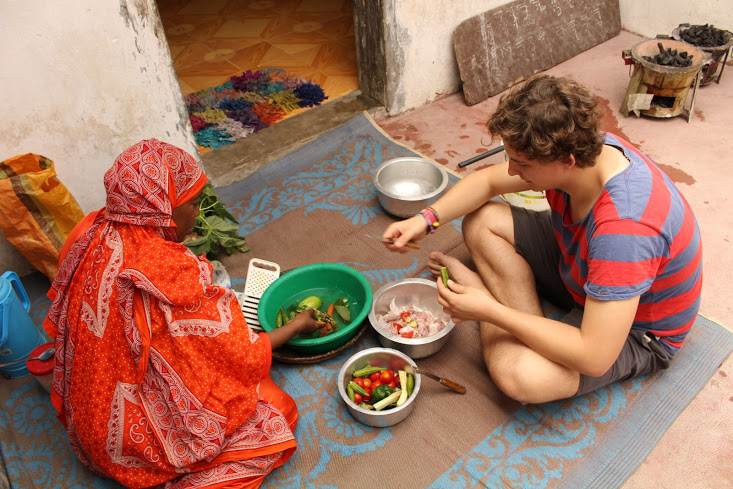
What You’ll Experience During a Zanzibar Cooking Class
1. Visit a Local Spice Market or Farm
Every memorable dish begins with the freshest ingredients. That’s why most cooking classes in Zanzibar start with a guided visit to a local market or spice farm. Here, visitors can see how spices are grown, harvested, and used.
The vibrant Darajani Market in Stone Town, for instance, bursts with colors and aromas. Vendors call out, spices fill the air, and the atmosphere is alive with local energy. Your guide explains how each spice contributes to Zanzibar’s flavor — from the sweetness of cinnamon to the heat of chili.
At a spice farm, you’ll walk among lush green trees and learn how cloves are hand-picked, how vanilla vines are cared for, and how turmeric roots are harvested. You’ll smell the spices fresh from the source — a sensory experience that awakens your curiosity and deepens your appreciation for the cuisine to come.
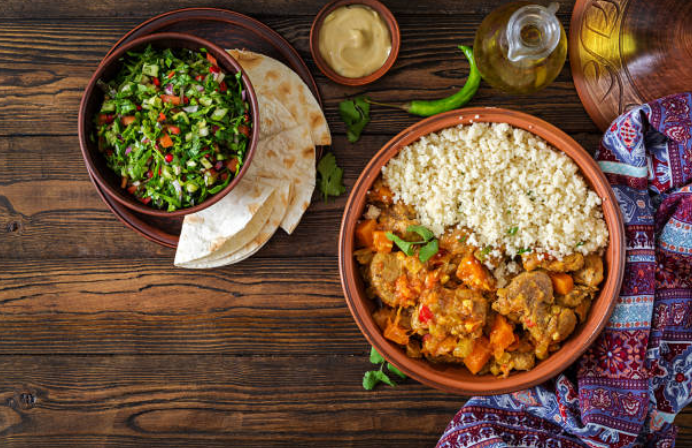
2. Learn Traditional Cooking Techniques
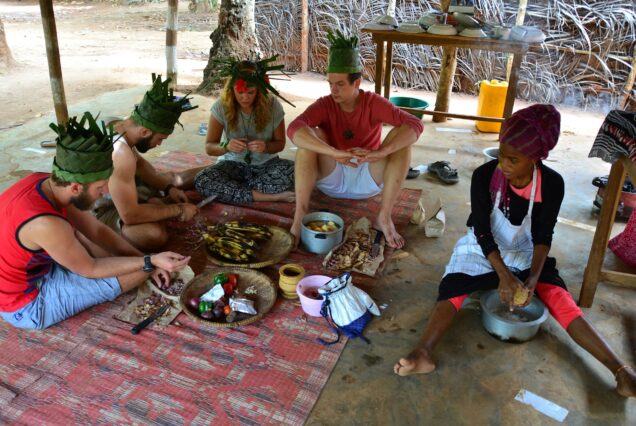
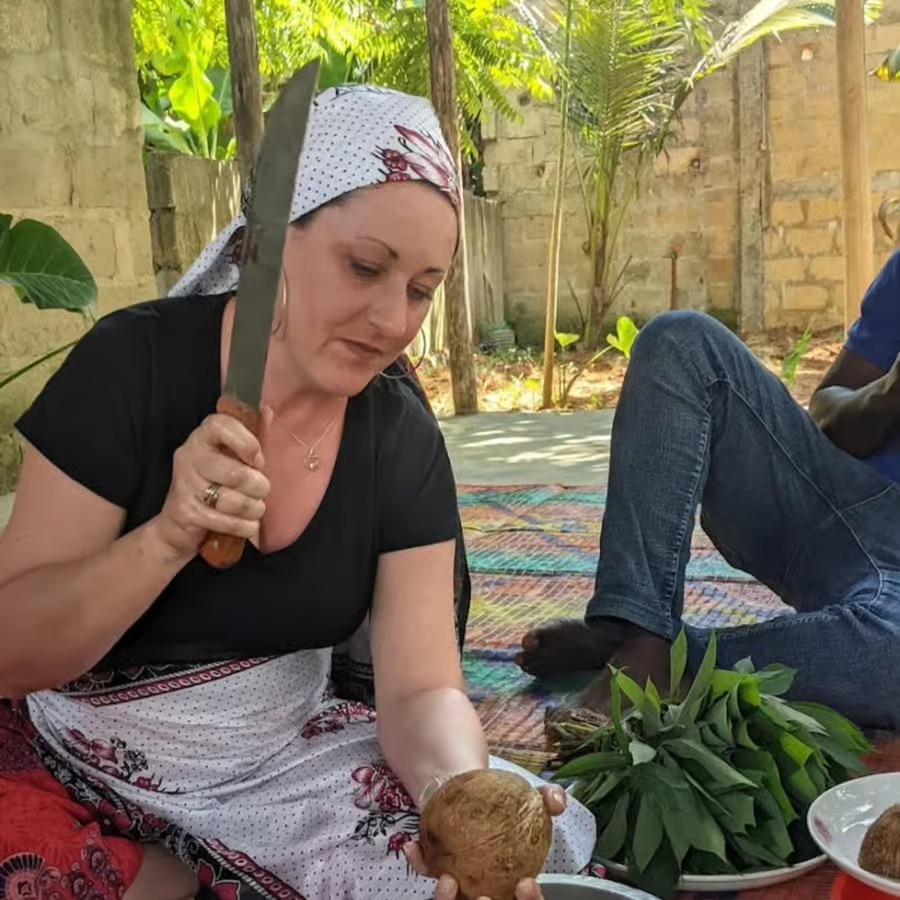
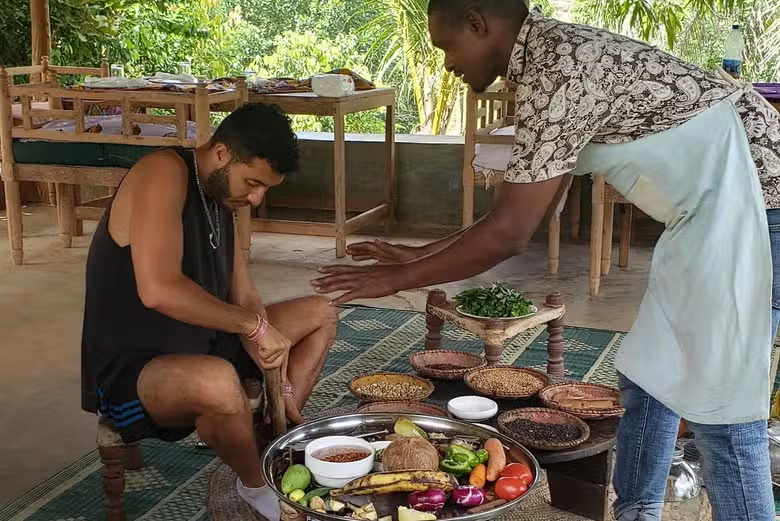
Once you’ve gathered your ingredients, the real fun begins. Your instructor, often a local chef or home cook, welcomes you into a traditional Swahili kitchen. Many classes take place in open-air settings, with clay pots, charcoal stoves, and wooden utensils that create an authentic feel.
Step by step, you’ll be guided through traditional methods — from grinding coconut by hand to mixing aromatic spice blends like masala. The teacher explains the cultural meaning of each recipe, sharing personal stories and insights passed down through families.
Consequently, every slice and stir feels purposeful. You’re not just cooking; you’re preserving a piece of history.
Dishes You’ll Learn to Cook
Zanzibar’s cuisine is rich, flavorful, and full of variety. During your class, you might prepare several of the island’s most beloved dishes:
-
Zanzibar Pilau – A fragrant rice dish cooked with cloves, cinnamon, cardamom, and meat or vegetables.
-
Urojo (Zanzibar Mix) – A tangy, spicy soup made with potatoes, fritters, mango, and tamarind sauce.
-
Coconut Curry – A creamy curry made with freshly grated coconut, seafood, and tropical spices.
-
Chapati – Soft, layered flatbread, often served with stews or beans.
-
Octopus Curry – A coastal specialty prepared with tender octopus simmered in coconut and spices.
Each dish represents a unique blend of Zanzibar’s multicultural influences. While you cook, your instructor explains where each recipe came from — Indian-inspired curries, Arab-style rice dishes, and African stews, all woven together into something uniquely Zanzibari.
And of course, after cooking, comes the best part: tasting your creations!
The Cultural Connection
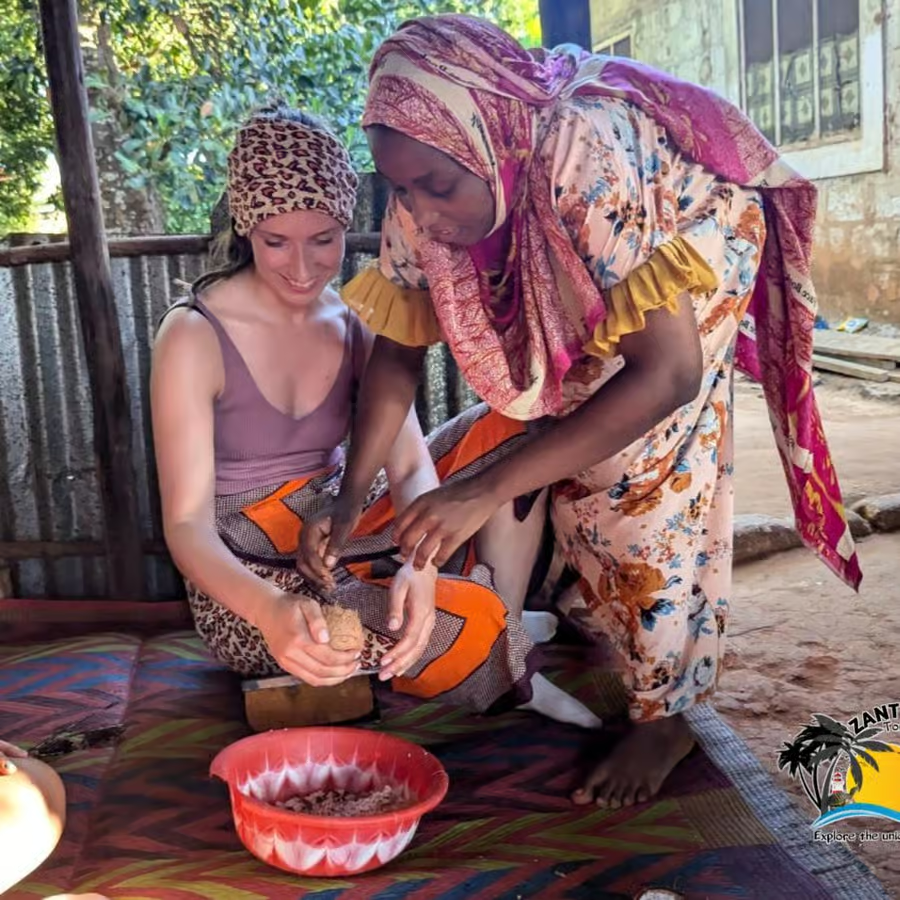
Traditional Zanzibar cooking classes are not just about food — they’re about people. You’ll cook side by side with locals, exchange laughter, and share stories. These moments create deep connections that go beyond language or nationality.
For example, many tourists describe how these experiences make them feel like part of a Zanzibari family, even if only for a day. Children might stop by to say hello, neighbors wave as the food’s aroma fills the air, and everyone enjoys the meal together.
In the process, travelers gain insights into Swahili traditions — from how families gather around food to how special dishes are prepared during weddings, Ramadan, and festivals.
Therefore, every cooking class becomes a living cultural exchange — one that leaves travelers with both full hearts and full stomachs.
When and Where to Join a Cooking Class
Cooking classes are available year-round, but the best time to join one depends on your travel plans and preferences.
-
Stone Town: Ideal for travelers who want to combine culture, history, and food. Classes here often include a guided market visit and a home-style kitchen setup.
-
Spice Farms (Kizimbani or Kidichi): Perfect for those seeking a rural experience surrounded by nature.
-
Beach Resorts (Nungwi, Paje, Jambiani): These often offer private cooking lessons paired with a romantic beach setting — great for couples and honeymooners.
Since Zanzibar’s weather is warm throughout the year, you can enjoy a cooking class at any time. However, the dry seasons (June to October and December to February) are the most comfortable for outdoor experiences.
Tips for Tourists Joining a Zanzibar Cooking Class
-
Book with a trusted tour operator. Choose a reputable company like Unique Zanzibar Tours and Safaris that works with authentic local hosts and guarantees quality experiences.
-
Come hungry and curious. You’ll be cooking and eating a lot — so bring your appetite and an open mind.
-
Ask questions. Locals love to share their knowledge, so don’t be shy about asking about spice origins or cooking traditions.
-
Bring your camera. From the market’s colorful stalls to the cooking process, every moment is photogenic.
-
Respect local customs. Dress modestly, especially when visiting local homes or rural areas.
By following these simple tips, you’ll ensure your experience is respectful, enjoyable, and memorable.
The Benefits of Taking a Cooking Class in Zanzibar
Participating in a Zanzibar cooking class offers more than just delicious food. It supports local communities and sustainable tourism.
-
Empowerment for local women and families: Many classes are led by women who use the income to support their households.
-
Cultural preservation: Each visitor helps keep Swahili culinary traditions alive.
-
Sustainable tourism: By engaging directly with locals, travelers contribute positively to the local economy.
Therefore, your participation has a meaningful impact — both for you and for the island you’re visiting.
A Memory That Lasts a Lifetime
When you return home, you’ll carry more than souvenirs; you’ll carry a piece of Zanzibar in your heart and on your plate. You’ll know how to recreate those delicious dishes that once filled the air with spice and warmth.
Many tourists say that Zanzibar’s cooking classes are the highlight of their trip. After all, it’s not every day you get to cook curry in the tropics with locals who treat you like family.
So next time you plan a trip to the Spice Island, don’t just admire the flavors — learn how to create them.
Final Thoughts
Traditional Zanzibar cooking classes are a delicious way to experience the island’s heart and soul. They connect travelers with Zanzibar’s history, culture, and people in the most flavorful way possible.
Whether you’re an adventurous foodie, a curious traveler, or a couple looking for a unique activity, a cooking class will transform your trip into something unforgettable.
So, tie your apron, pick up your spice grinder, and get ready to stir, taste, and savor the essence of Zanzibar — one bite at a time.
Website: www.uniquezanzibartour.com
Email: info@uniquezanzibartours.com


Leave a Reply
Want to join the discussion?Feel free to contribute!